Phone-Free Bedroom — Why It Changes Everything
Here's what happened the first night I charged my phone in the kitchen instead of on my nightstand: nothing. I didn't sleep better. I didn't feel different. I woke up and immediately walked to the kitchen to check it.
But by day four, something shifted. I read for 20 minutes before falling asleep — something I hadn't done in years. By the end of the first week, I was falling asleep faster, waking up calmer, and starting my mornings without the usual anxiety spiral from overnight notifications.
One change. No app, no subscription, no 30-day challenge. Just moving a rectangle from one room to another.
Why your phone ruins your sleep
You already know about blue light suppressing melatonin. That's real but it's only part of the story. The bigger issue is what your phone does to your mental state right before sleep.
Scrolling social media activates your brain's threat detection and reward systems. A stressful comment. A news headline. A friend's vacation photos. Your nervous system doesn't know the difference between scrolling and something actually happening to you. It responds the same way — cortisol spikes, heart rate increases, and your brain enters a state that is the exact opposite of sleep-ready.
Then there's the morning problem. When your phone is the first thing you see, your brain gets flooded with other people's priorities before you've had 30 seconds to think your own thoughts. Emails, notifications, news, messages — the day starts reactive instead of intentional.
The actual benefits people report
The research backs this up, but the personal accounts are more convincing:
Sleep gets better fast. People who remove their phone from the bedroom fall asleep an average of 20 minutes sooner. That adds up to over 120 hours of extra sleep per year.
Morning anxiety drops. No more waking up to 47 notifications that set the tone for your entire day. You get dressed, make coffee, and ease into the morning on your terms.
Relationships improve. Couples who keep phones out of the bedroom report higher satisfaction and more meaningful bedtime conversations. One study found that phones in the bedroom cut romantic encounters nearly in half. That stat alone should do it.
You actually read again. When there's nothing to scroll, you reach for whatever's on the nightstand. For most people, that's a book they haven't touched in months.
How to actually do it
Buy an alarm clock
The number one excuse is "but I use my phone as my alarm." So spend $10 on an actual alarm clock. Done. That excuse is gone now.
Set up a charging station outside your room
Don't just put your phone on the kitchen counter. Designate a spot. A drawer, a shelf, a specific outlet. When it has a "home," the habit sticks better.
Make your phone boring before you leave it
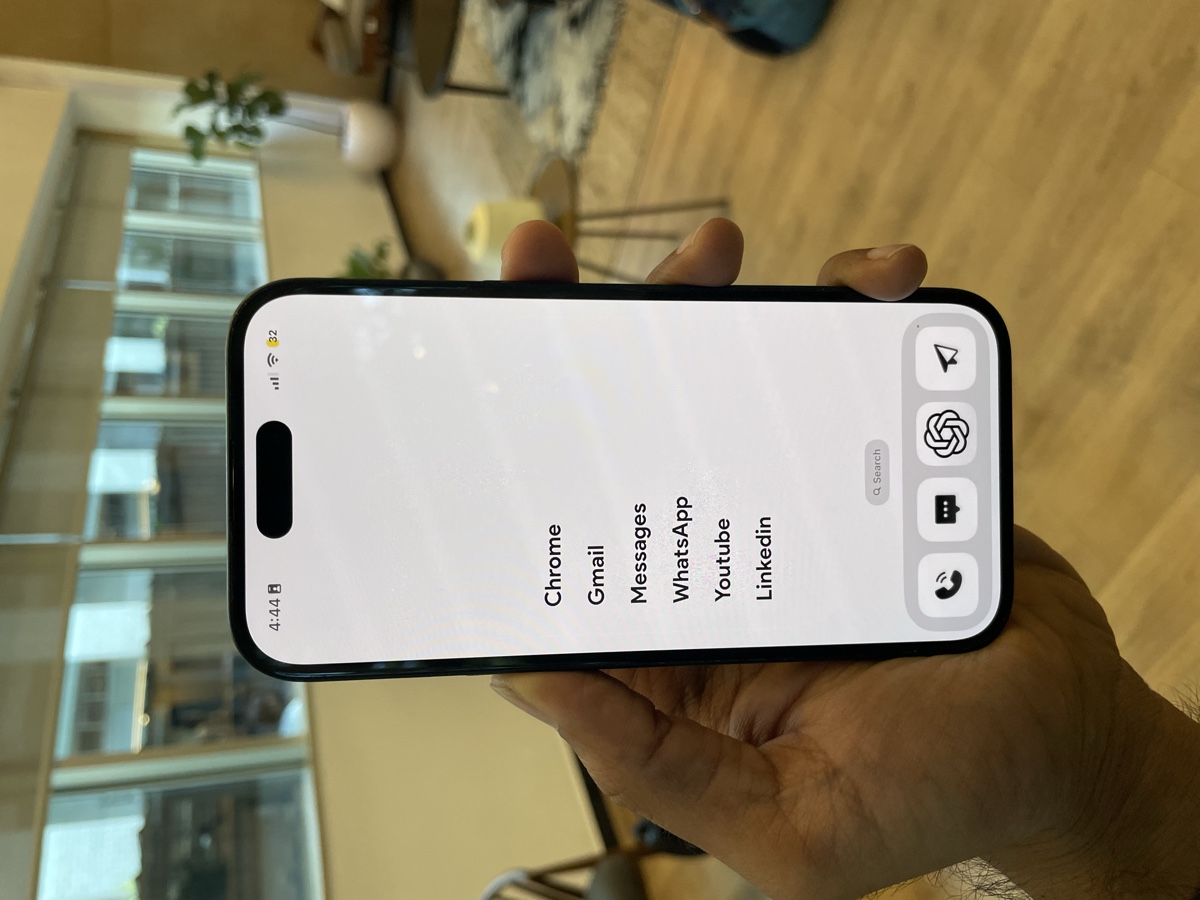
Before you walk away from your phone for the night, make sure the next morning won't pull you back in. Clear your notifications. Close all apps. If you use Minimalist Launcher, your home screen is already clean — just essential apps in a text list, nothing to tempt you when you pick it up in the morning.
Prepare for the first three nights
You will feel weird. You might feel anxious. You might wake up and instinctively reach for the nightstand and find nothing there. This is normal. Your brain has been trained to expect the phone. Untrained behaviors feel uncomfortable before they feel natural.
By night four or five, you won't miss it. By week two, you'll wonder why you ever slept with it next to your head.
Tell someone you're doing it
Accountability works. Tell your partner, your roommate, or text a friend: "I'm keeping my phone out of my bedroom starting tonight." The social commitment makes it harder to quit after one night.
What about emergencies?
This is the second most common excuse. Here's the reality: you can set your phone to allow calls from specific contacts even when it's in another room. On iPhone, Do Not Disturb lets favorites ring through. Problem solved.
And honestly — how many genuine emergencies have come through your phone at 2 AM in the last five years? For most people, the answer is zero.
Start tonight
Not tomorrow. Not Monday. Tonight. Plug your phone in somewhere that isn't your bedroom. Put a book on your pillow. Set an alarm clock.
The change is small. The compound effect is enormous.