Screen Time Before Bed — What It Actually Does to Your Sleep
You set your alarm for 11 PM. "I'll be asleep by 11:30." At 12:47 AM, you're still watching Instagram Reels in bed with one eye open. You finally pass out, wake up exhausted, and do the exact same thing the next night.
This isn't a discipline problem. Your phone is chemically interfering with your ability to fall asleep.
What screens actually do to your brain at night
It's not just blue light. Yes, screens emit blue light that suppresses melatonin — the hormone that tells your brain it's time to sleep. Studies show that just 2 hours of screen exposure before bed can delay melatonin release by up to 90 minutes.
But the bigger problem is mental stimulation. Scrolling social media, reading news, or watching videos keeps your brain in an alert, reactive state. Your nervous system doesn't know the difference between a stressful email and a real threat — it activates the same fight-or-flight response.
So even after you put the phone down, your brain is still buzzing. That's why you lie there staring at the ceiling for 30 minutes after "just checking" your phone.
The numbers are brutal
- People who use their phone within 30 minutes of bed take an average of 50% longer to fall asleep
- Screen use before bed reduces REM sleep — the deep sleep your brain needs to process emotions and consolidate memory
- 70% of adults use their phone in bed. Of those, most report poor sleep quality
- Losing just 1 hour of sleep per night has the same cognitive impact as being legally drunk after a week
You're not tired because of work. You're tired because of the last 45 minutes before you close your eyes.
5 things that actually help
1. Get the phone out of the bedroom
This is the single most effective change. Not on the nightstand. Not face-down on the bed. In another room.
Buy a $10 alarm clock. Your phone is not your alarm — it's a sleep thief disguised as one.
The people who sleep best aren't the ones with the most willpower. They're the ones who removed the temptation entirely.
2. Create a phone curfew (and enforce it)
Set a hard cutoff — no phone after 10 PM (or 1 hour before your bedtime). The problem is, you've tried this before and it didn't stick.
That's where Minimalist Launcher's Digital Detox comes in — you can schedule app blocking so that distracting apps automatically lock after your curfew. No willpower required. The apps simply won't open.
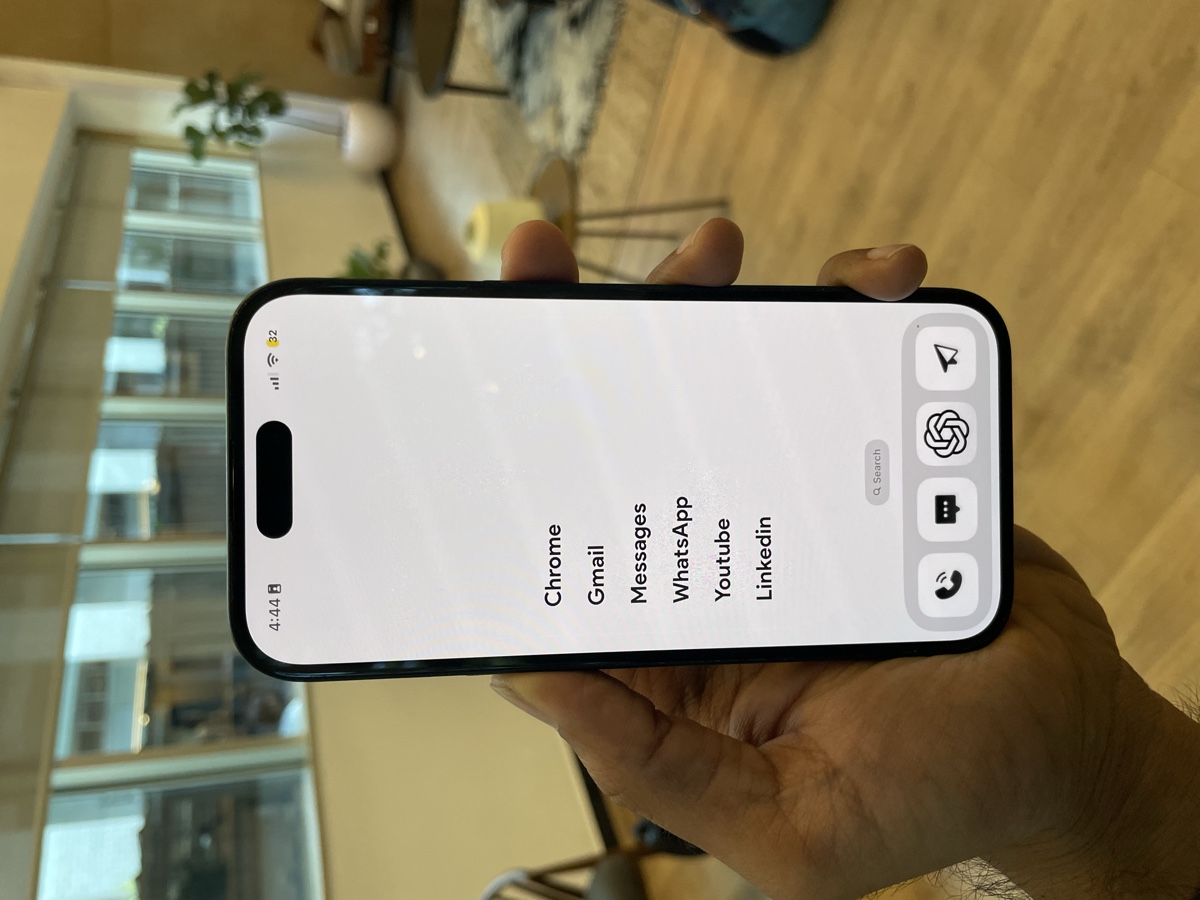
3. Replace the scroll with a wind-down
Your brain needs a transition between "awake mode" and "sleep mode." Scrolling does the opposite — it keeps pumping stimulation.
Replace it with something low-stimulation:
- A physical book (not a Kindle with a backlit screen)
- A boring podcast or ambient sounds
- Stretching or deep breathing
- Journaling — even just 3 lines about your day
The key is that it needs to be ready and accessible. Put the book on your pillow. Queue the podcast on a speaker. Make the better choice the easier choice.
4. Use grayscale mode after sunset
If you must use your phone at night, switch to grayscale. A colorless screen is dramatically less stimulating — apps look boring, content is less engaging, and your brain gets fewer "stay awake" signals.
On iPhone: Settings → Accessibility → Display & Text Size → Color Filters → Grayscale. Add it to your Accessibility Shortcut (triple-click side button) so you can toggle it fast.
5. Track your sleep, not just your screen time
Most people track screen time but never connect it to sleep quality. Start noting two things each morning:
- When did I last use my phone? (Check Screen Time for the exact minute)
- How do I feel right now? (1-5 scale)
After a week, the pattern is obvious. The nights you stopped early, you feel better. The data makes the habit stick.
The 30-minute rule
You don't need to overhaul your life. Just protect the last 30 minutes before bed. That's it.
No phone. No laptop. No tablet. Just 30 minutes of low-stimulation wind-down. Research shows this single change can improve sleep onset by up to 40% and increase total sleep quality scores significantly.
Your phone will still be there in the morning. Your sleep won't wait.