Social Media Detox — A Realistic Guide That Won't Waste Your Time
Every January, millions of people announce a social media detox. By January 8th, most of them are back on Instagram.
The problem isn't motivation. The problem is that most detox advice is useless. "Delete the apps!" Great, you'll reinstall them by lunchtime. "Replace scrolling with journaling!" Cool, nobody does that for more than two days.
Here's a plan that actually works — built around how habits and brains function, not how we wish they did.
Why bother? The 2026 research is wild
A study published in JAMA Network Open followed people who took a one-week break from social media. The results:
- 16% reduction in anxiety
- 25% reduction in depressive symptoms
- Improved sleep quality
- Lower reported loneliness (yes, less social media made people feel less lonely)
One week. Not a month, not a year. Seven days of not scrolling and the needle moved that much. A separate Harvard study confirmed similar findings and added that participants reported "a notable increase in offline social interactions."
These aren't fringe studies. This is Harvard and JAMA telling us what we already suspect but don't want to admit: social media is making us worse.
The 7-day detox plan
Forget the 30-day challenge. That's intimidating and most people bail. Start with 7 days. You can do anything for a week.
Day 0: Prepare (do this tonight)
Remove social media apps from your home screen. Don't delete them — just bury them. Move Instagram, TikTok, Twitter, Reddit, and Facebook into a folder on your last screen or into the App Library.
Better yet, install Minimalist Launcher and replace your entire home screen with a clean text list. When your phone doesn't visually remind you that Instagram exists, the urge to open it drops dramatically.
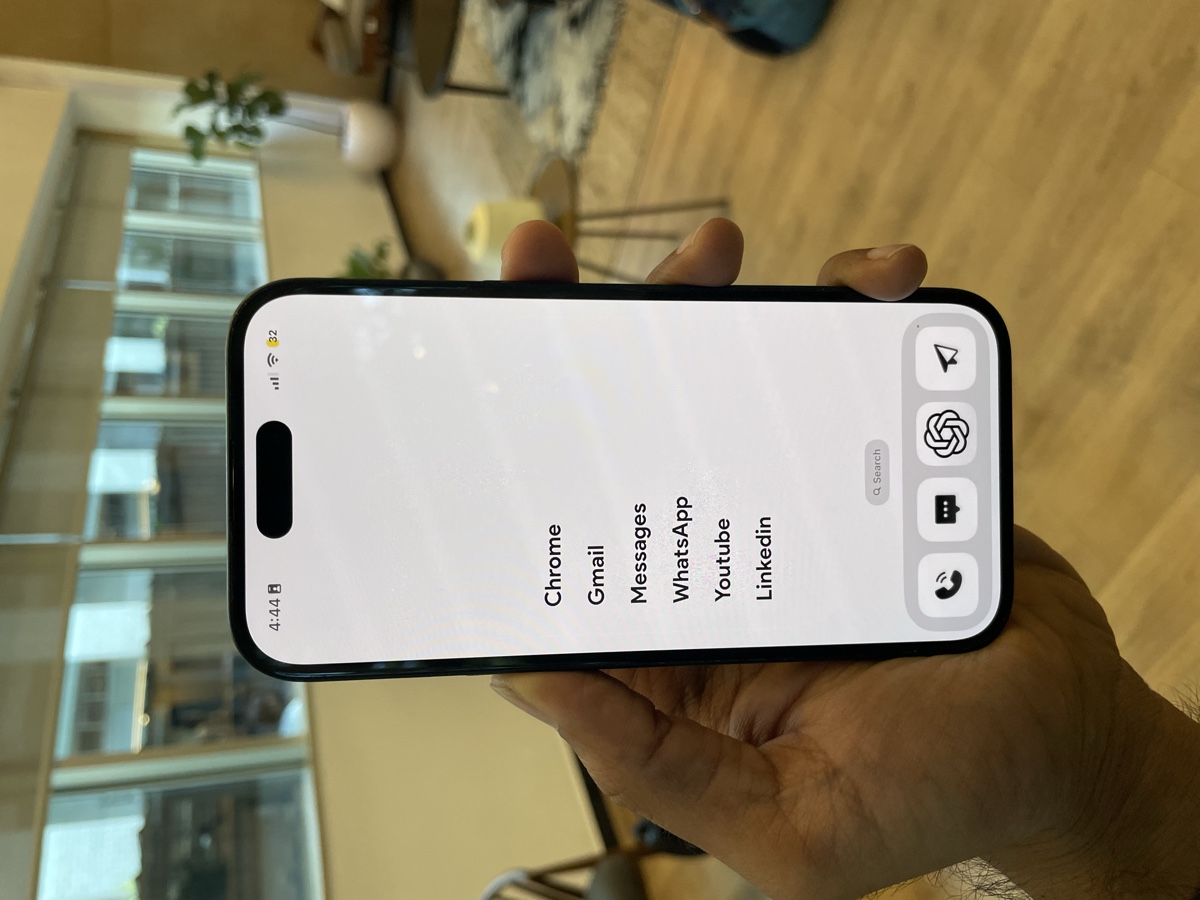
Log out of every social media account in your browser too. The friction of a login screen kills most impulse visits.
Days 1-2: The craving phase
You'll feel the pull constantly. Your thumb will drift to where the app icon used to be. You'll catch yourself unlocking your phone with no purpose. This is completely normal.
When the craving hits, pick up your phone and do something intentional instead: text a friend, check the weather, set a timer. Give your hands something to do that isn't scrolling.
Days 3-4: The boredom phase
The cravings ease up but now you're bored. Really bored. This is actually a good sign — your brain is recalibrating. It's used to nonstop stimulation and doesn't know what to do without it.
Lean into the boredom. Go for a walk without earbuds. Sit with your coffee and just think. Cook something without a YouTube video playing. These boring moments are where your brain starts healing.
Days 5-6: The clarity phase
Something clicks around day five. Your thoughts feel less scattered. You can focus on a conversation without glancing at your phone. You might pick up a book and actually finish a chapter. The mental fog starts lifting.
Day 7: The decision
You made it. Now you have a choice: go back to how things were, or keep going. Most people who reach day 7 don't want to go back — at least not to the same level of use.
After the detox: don't blow it
Going cold turkey forever rarely works. A better approach is structured re-entry:
Unfollow aggressively. Before you reopen any app, unfollow everyone who doesn't make you feel good. Mute the rage-baiters, the comparison triggers, the accounts that exist only to provoke. Make your feed boring on purpose.
Set usage limits. Give yourself a daily budget — say 15 minutes of social media per day. Minimalist Launcher's Digital Detox can enforce this by blocking apps after your limit. No "ignore" button to tap through.
Ban social media from two places. The bedroom and the dining table. Non-negotiable. These are the two places where phone use does the most damage — to your sleep and your relationships.
Schedule your social media time. Instead of checking whenever boredom strikes, designate a time. "I'll check Instagram at lunch for 10 minutes." Intentional use replaces compulsive use.
Objections you'll have (and why they're wrong)
"I need social media for work." Then keep LinkedIn or whatever you actually need, and detox from the rest. Most "work-related" social media use is actually scrolling the feed between work tasks.
"I'll miss important news." If something important happens, someone will tell you. Texts, calls, group chats — actual news reaches you without an algorithm. What social media gives you isn't news. It's outrage.
"My friends are only on social media." Then text them. Call them. If a friendship only exists inside an app, it might not be as strong as you think.
The point isn't quitting forever
Nobody's saying burn it all down and go live in the woods. The point is this: right now, social media is using you more than you're using it. A 7-day detox flips that dynamic. You get to see what your brain feels like without the constant noise.
Most people are shocked by how much better they feel. Try it once. See for yourself.